When I was 9 years old, I got my first computer, a Commodore VIC-20. It was nothing by today’s standards, with 3 kilobytes of memory and a 1 megahertz CPU, and even then it cost $299 in 1982, which is about $850 today. It was a surprise gift from a friend of my father, a friend that I had never met. At the time, I had become fascinated with computers, at first drawn in by the video games they could play, but then becoming more and more interested in writing programs to make games of my own. Owning a computer at the time, however, was far-fetched. Both Apple’s and IBM’s machines at the time cost thousands of dollars, and would be prohibitively expensive as machines to teach a nine-year-old about computers. However, Commodore Business Machines changed the practicality of owning a computer in the 1980s by drastically reducing the cost of the hardware while still keeping it competitive with, and in some areas superior to, the computers from other home computer makers like Apple. The man behind Commodore was Jack Tramiel, a Polish Jew who survived Auschwitz and settled in Canada after World War II. Tramiel had a very simple philosophy of doing business : “business is war.” He started Commodore in Canada as a typewriter manufacturer, but had problems with Canada’s equivalent of the SEC over “trading irregularities”, so he moved his business to the US. Cheap to the point of parody, Commodore’s suppliers were often very skeptical that they would ever receive payment, and in one case, a vendor skittish about being paid insisted on collecting in advance with a cashier’s check. Tramiel obliged them, only to call the bank to stop payment on the cashier’s check as soon as they left his office. He was just as ruthless with employees as he was with other companies, and was notorious for firing individuals or laying off entire divisions on a whim. One shrewd business decision he made was to acquire MOS Technology, a maker of semiconductors that had invented a process for radically reducing the cost and improving the quality of chips in the 1970s by correcting flaws in chip designs without needing to retool the semiconductor plant where the chip was being manufactured. This “mask fixing” allowed for a ten-fold reduction in costs in chip manufacturing compared to other approaches in the late 1970s. This allowed Commodore to enter the personal computer market while charging dramatically lower prices for computers with the same amount of memory and processing power as Commodore’s competitors. Tramiel was one of the few people in the computer industry to get the better of Bill Gates, licensing Microsoft BASIC once and using it across several generations of computers, much to Microsoft’s fury. This indirectly benefited me, because having to use the older Microsoft BASIC meant that I had to understand the computer’s hardware in a much more intimate way to use it to its full potential, whereas newer versions of BASIC hid this complexity from the user. Despite the almost comical ruthlessness and miserliness, Jack Tramiel said that he made computers for “the masses, not the classes”, and this almost certainly created opportunities for millions. One of these who learned about technology because of a Commodore VIC-20 was a ten year old boy in South Africa, by the name of Elon Musk.
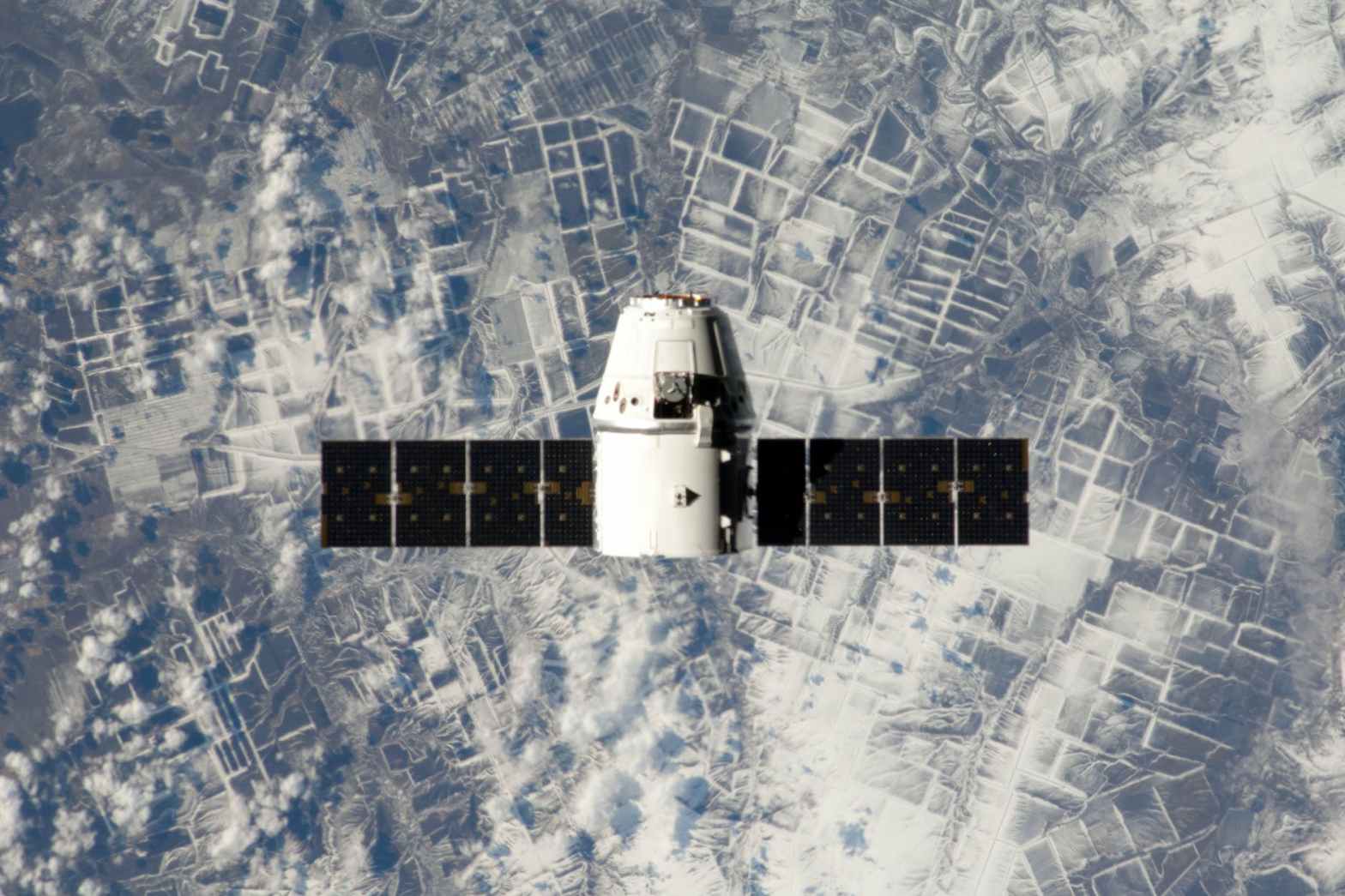
Now, to billionaires in space. Many have complained that the money used for Richard Branson’s suborbital junket would have been better spent helping disadvantaged people on Earth. Jeff Bezos’ trip to space atop a what certainly resembled a giant penis seemed even more ridiculous. It is true, though, that they have brought the cost of taking humans to suborbital space down dramatically. Elon Musk has gone farther still, bringing the cost of reaching low Earth orbit down to one-third what it was in 2009 by using completely reusable rockets and just days ago, building the tallest rocket in human history. Jack Tramiel was a ruthless businessman and probably not a pleasant person to be around, but he had a vision for how he would benefit society and ultimately succeeded. Jeff Bezos and Elon Musk, at least, sound like they may be similarly difficult people. We can all hope that they will end up changing the world for the better, perhaps despite themselves.
 Visions From Schrödinger's Box